
Why fleas come back after treatment
Fleas reappear after treatment because of the pupal stage of their lifecycle. A flea treatment kills adult fleas and can treat eggs and larvae, but pupae, fleas cocooned inside a tough, protective casing, are highly resistant to treatment and can lie dormant for weeks. They hatch in response to warmth, carbon dioxide and vibration (people and pets moving about), which is why new adult fleas appear a week or two after treatment. This is normal and expected, not a failed treatment. The answer is to keep vacuuming regularly for several weeks, which draws the pupae out to hatch where the treatment residue can kill them, until the cycle is fully broken.
It is the most common flea complaint: the treatment worked, the fleas vanished, and a week or two later they are back. It feels like the treatment failed. Usually it did not. The reason lies in one stubborn stage of the flea lifecycle, and understanding it is the difference between giving up too soon and finishing the job.
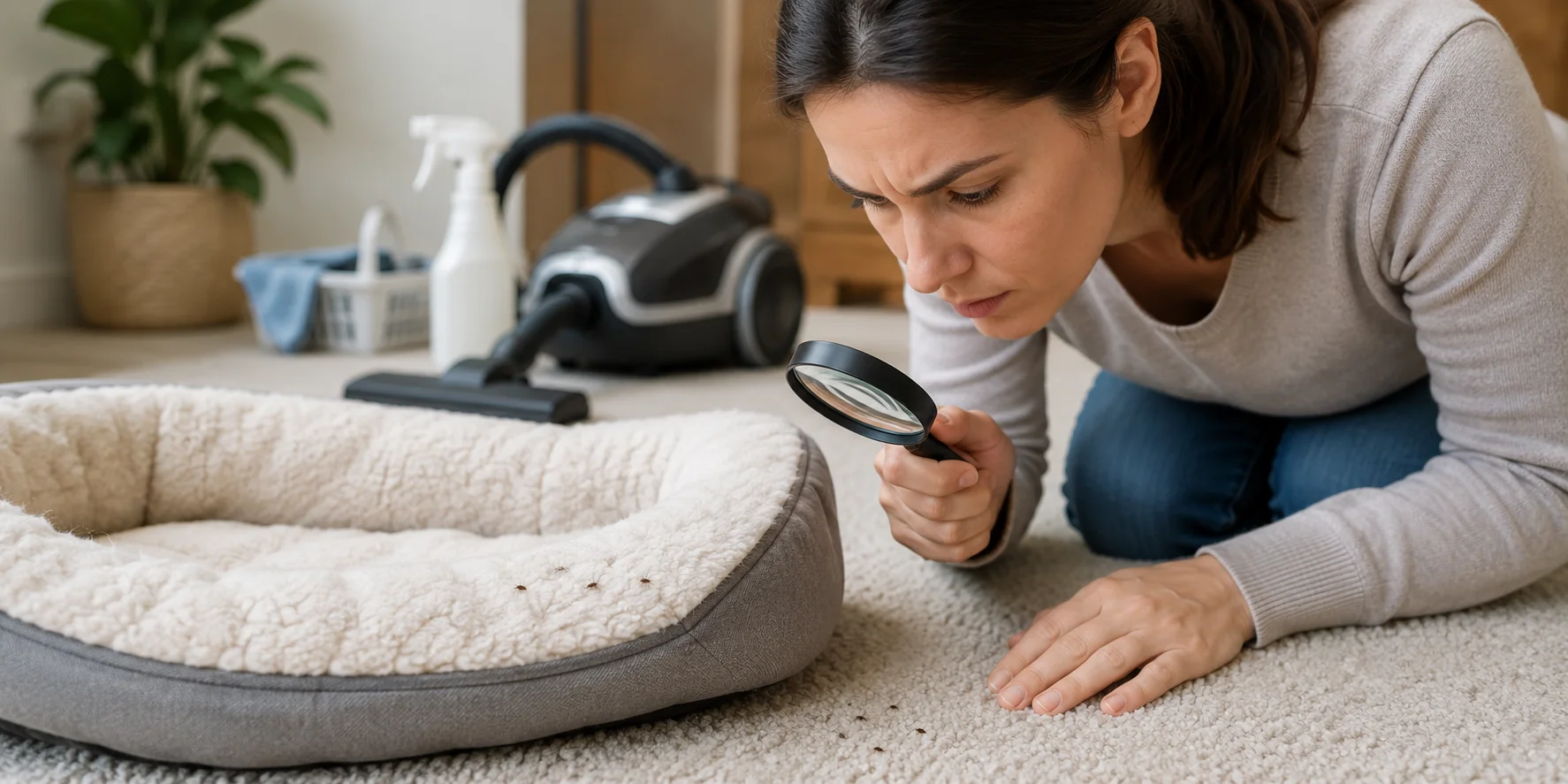
The flea lifecycle
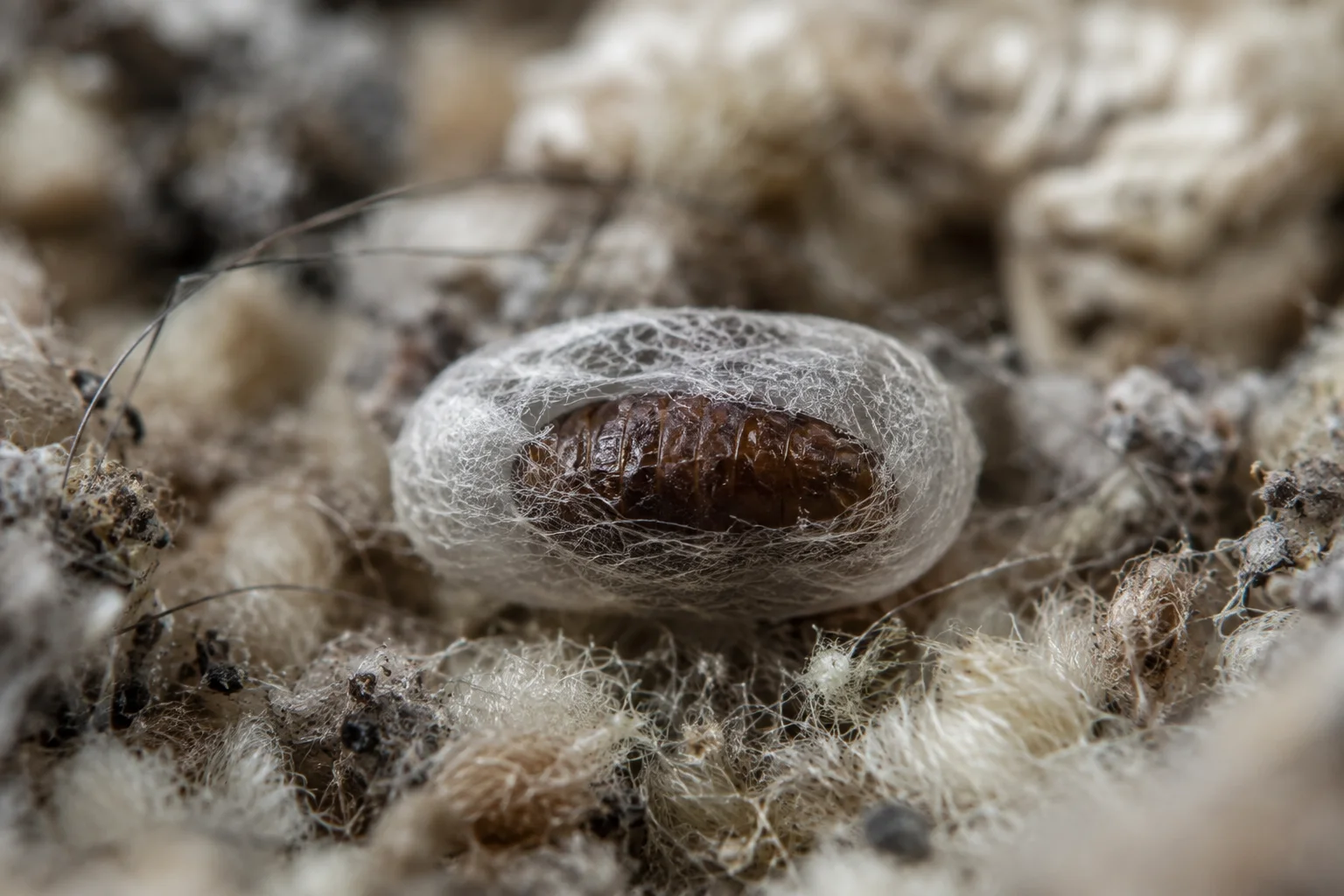
Fleas go through four stages: egg, larva, pupa and adult. The adults you see are the tip of the problem; most of a flea population in a home is eggs, larvae and pupae in the carpets and gaps. A treatment deals well with adults, eggs and larvae. The pupa is the problem child: the developing flea seals itself inside a sticky, protective cocoon that shrugs off insecticide and shields it until conditions are right to emerge.
Why the pupae outlast the treatment
Pupae can stay dormant in their cocoons for weeks, or even months, waiting for a host. They are triggered to hatch by the warmth, carbon dioxide and vibration that signal a passing animal or person. So after a treatment kills the adults, the pupae simply wait, protected, and then hatch days or weeks later when you walk across the carpet, producing a fresh crop of adult fleas that makes it look as though the treatment failed. It did not; the pupae were always going to hatch.
Why this is normal
- 1A single treatment cannot kill pupae in their protective cocoons.
- 2New adults emerging a week or two later is the expected pattern, not a failure.
- 3The treatment residue is designed to kill those new adults as they hatch onto the treated floor.
- 4The problem resolves as the last pupae hatch and are killed, over a few weeks.
How to see it through
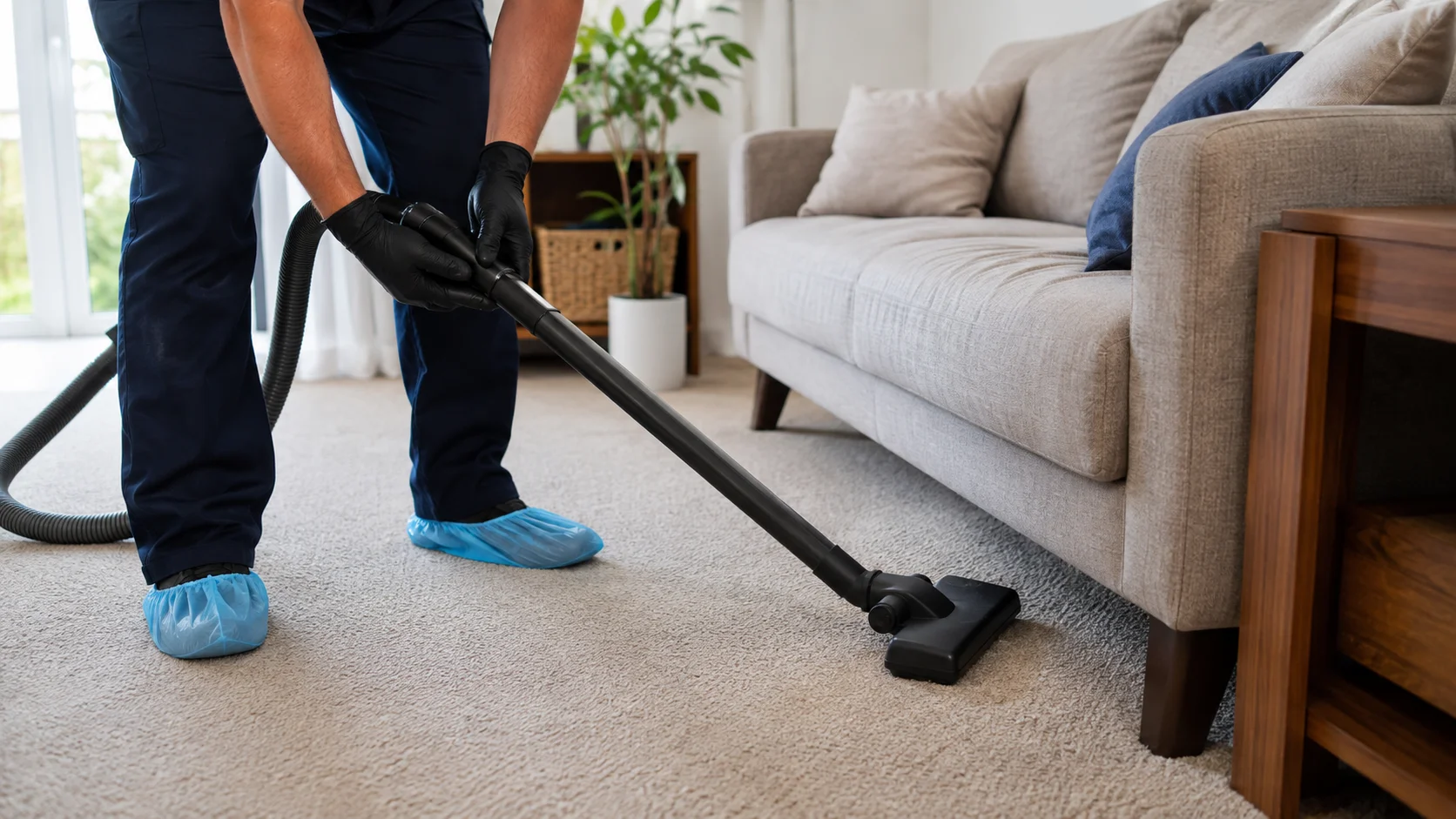
The key is not to panic and not to stop. Keep vacuuming regularly, daily at first, for several weeks after treatment. Vacuuming both removes fleas and, by creating vibration and warmth, stimulates the remaining pupae to hatch, bringing them out onto the treated surfaces where they are killed. This deliberately speeds up the hatching so the cycle is broken sooner. If activity is still high after the expected period, a follow-up treatment may be advised. Elis carries out flea treatments and advises on the follow-through across Ireland; see flea treatment and preparing your home for a flea treatment.
Frequently asked questions
- Why do I still have fleas after treatment? Because of the pupal stage. Treatment kills adult fleas, eggs and larvae, but pupae are sealed in a protective cocoon that resists insecticide and can stay dormant for weeks. They hatch afterwards in response to warmth and vibration, producing new adults a week or two later, which is normal, not a failed treatment.
- How long do fleas last after treatment? New adults can keep emerging for a few weeks as the last pupae hatch. Regular vacuuming during this period draws them out to hatch onto the treated surfaces where they are killed, so the problem usually resolves within a few weeks of treatment if you keep it up.
- Should I vacuum after a flea treatment? Yes, regular vacuuming for several weeks afterwards is essential. It removes fleas and, by creating warmth and vibration, triggers dormant pupae to hatch onto the treated floor where the residue kills them. This is what breaks the lifecycle and completes the clearance.
Get the problem dealt with properly
Elis Pest Control provides commercial and domestic pest control across Dublin and Ireland, with trained technicians who treat the problem at source and stop it coming back.
Book a survey and we will assess the situation and recommend the right treatment.
elispestcontrol.ie · book a survey
